


Traditional vs Holistic Speech Therapy: Why Neurodiversity-Affirming Speech Therapy Matters in NYC For Highly Sensitive Kids
Allow me to paint a picture for you. His name is Tommy.
Tommy is a little 6-year-old boy who just started a new school.
He has curly brown hair that likes to fall in front of his face, tiny freckles sprinkled along his cheeks, and a set of blue glasses that cover his large and curious brown eyes.
Everyone agrees – Tommy is an adorable, inquisitive, and energetic little boy.
But there is a big problem. His kindergarten teachers are pulling their hair out!
For children like Tommy, neurodiversity affirming speech therapy in NYC can offer supportive care tailored to how each child communicates and learns.
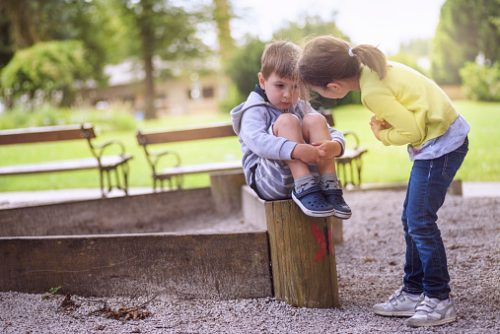
Every day, Tommy comes to school excited for school. But then he slowly refuses to participate in the day’s activities.
Why Was Tommy Avoiding School?
- Tommy avoids eating lunch in the cafeteria every day.
- Tommy does not join in the recess games with the other children.
- Tommy stares out the window during class time when the teacher is speaking.
The teachers have tried all month to gently encourage Tommy to participate in school. But nothing has worked!
Everyone at the school is stumped!
Why is Tommy refusing to participate in school?
This is when Tommy’s mom called me in. She asked if I could come and observe Tommy in his classroom.
Tommy needed professional support – fast!
Tommy’s mom was feeling upset and confused.
In the mornings with her, Tommy was excited to get ready for school and get on the bus. He often talked about his teachers and classmates fondly.
However, once the school day began, he completely refused to participate. No amount of encouragement from the teachers would help.
So, as a trusted speech therapist, I packed my bag of tricks and headed to Tommy’s school.
The Real Reason Tommy Was Struggling
In our first session, I observed Tommy and asked him some questions.
- When Tommy stopped right at the door of the cafeteria and did not go in, I stopped with him and asked, “Why don’t you want to eat with your friends?”
He told me, “The cafeteria is too noisy with all the kids talking and the dishes clanking.”
- When Tommy did not want to play tag with the other kids, I again asked him, “Why not?”
He explained, “This game of tag is really loud. And the kids screaming makes me want to run and hide inside.”
- When it was time to go back to the classroom, Tommy cheerfully followed his friends back into the class.
He settled down in his seat and took out a piece of paper and a pencil.
But as the teacher began talking, I noticed Tommy’s attention drifting.
He started to look out the window at the birds in a nearby tree and turned to me and exclaimed, “Look, Ms Heather. A beautiful blue jay!”
Now, I am an avid bird watcher myself. But right now, Tommy needs to be paying attention to the teacher’s directions. Not the beautiful blue bird outside!
I devised a plan to fix the problem at hand!
The problem was not that Tommy was difficult, or oppositional, or had a behavioral problem. Which I hear way too often!
Through my clinical observations and discussions with Tommy, I realized that Tommy is a highly sensitive child.
What Does It Mean to Be a Highly Sensitive Child?
Being a highly sensitive child and person means that you experience heightened sensitivity. This can be related to different environmental stimuli and sensory experiences.
The term highly sensitive child (HSP) was created by the psychologist Dr. Elaine Aron in the late 1990s. It was created to describe a segment of people that experiences and process sensory stimuli differently and sometimes intensely.
A highly sensitive child may have stronger reactions to different stimuli. These stimuli may include sounds, lights, smells, textures, tastes, or competing stimuli.
HSP children may experience overall heightened sensory sensitivities.
How Can Sensory Overload Affect Highly Sensitive Children?
When a highly sensitive child or neurodivergent person’s sensory system becomes overwhelmed, they may experience physical or emotional overload. This may lead to subsequent nervous system shutdown.
A highly sensitive child can become hyperaware of their surroundings.
Additionally, a highly sensitive child can become deeply affected by the emotional underpinnings of their environment.
Highly sensitive children can demonstrate a profound and mature level of empathy for others.
As a highly sensitive, neurodiverse, and empathic person myself, I can attest to the level of vigilance that is sometimes required in a new environment. As well as the level of empathy felt for others.

A highly sensitive child often needs therapeutic support to help them navigate school and home environments. While simultaneously learning positive strategies to regulate their nervous system and inner emotional world.
Practical Strategies for Supporting Highly Sensitive Children
So my therapeutic work with Tommy began, and I slowly taught him helpful strategies to participate better throughout the day:
- We ordered headphones to wear during noisy times like lunch and recess. Then, we practiced retrieving them from his backpack before these loud activities and putting them over his ears.
Soon after, he was gleefully going to his backpack, putting on his headphones, and running to lunch and recess with his friends.
- Next, we changed Tommy’s seating placement in the classroom. We made sure his desk was at the front of the classroom.
- We also ordered an FM unit, which allows the teacher to use a microphone and the listener to wear a small receiver that allows the teacher’s voice to be amplified and heard in his ear. This allows him to focus on the teacher’s directions and tune out the background noise.
Creating a More Sensory-Friendly Environment
After about 3 months, Tommy was listening and participating in the classroom throughout the day.
- We also created a calming corner in the classroom for the whole class with a small mat, tent, books, and fidget toys.
Now, when Tommy or any of the students start to feel overwhelmed. They can ask the teacher to use the calming corner for a few minutes.
- Lastly, we created a daily schedule on a small whiteboard at his desk. The classroom teacher writes the daily schedule on his whiteboard. As he completes an activity, he crosses it out, feeling accomplished and proud of himself.
By the end of the year, Tommy sat with his friends during lunchtime. He also played happily during recess wearing his headphones. Tommy was also following along with the daily schedule and completing classroom tasks with ease!
Supporting Confidence Through Personalized Strategies
By providing these tools and environmental modifications, Tommy learned to successfully navigate the world as a highly sensitive child. He gained both independence and inner self-confidence!
Tommy practiced using the tools and strategies we developed together. He experienced increased autonomy, regulation, and joy!

This is the difference between traditional behavioral intervention based on compliance only and the beauty of holistic, neurodiversity-affirming speech therapy. It works like MAGIC!
Neurodiversity-Affirming Therapy at Chatty Child Can Help
I truly hope this story has helped you feel less alone.
Please know that there are many highly sensitive people in the world.
As a fellow HSP and speech therapist in NYC, I have navigated this road.
At Chatty Child, we are here to guide and support you with neurodiversity-affirming speech therapy. Just reach out for a helping hand!
Until next time…
Sincerely,
Heather Lynn Boerner, MA CCC/SLP
*This story is based on common clients’ experiences and real-world results. The people’s names and personal details have been altered to protect their privacy.
Is your child highly sensitive too?
Could your child benefit from emotional, sensory or self regulation support?
Are you ready to experience the holistic, neuro-affirming difference in therapeutic care – Chatty Child is here and ready to help!
Chatty Child’s speech, feeding, oral motor and occupational therapy, and mindfulness classes can be an invaluable resource.
We offer personalized neurodivergent affirming, speech, language, feeding and occupational therapy therapy, as well as creative mindfulness classes for all ages and abilities.
In person and online options are available for all therapeutic sessions and classes.
Our speech and occupational therapists are here to support all your child’s therapeutic needs.
I invite you to schedule a tour – to discover the support waiting for your child – at Chatty Child.
We are here to help and support your child – grow and learn!
Let’s create excellent communicators, confident voices, calm minds, and limitless possibilities – together!
Begin Neurodiversity-Affirming Speech Therapy in NYC
At Chatty Child, we provide personalized support that respects each child’s unique communication style. If you’re looking for neurodiversity affirming speech therapy in NYC, here’s how to get started:
- Contact us or call 347.491.4451 for a free 15-minute conversation.
- Schedule an evaluation to understand your child’s communication strengths and needs.
- Begin individualized neurodiversity-affirming speech therapy.
- Work with our team to support communication at home, school, and beyond.
Our speech therapists in NYC can help your child build communication skills in a way that feels supportive and authentic.
Personalized Child Therapy Services at Chatty Child
At Chatty Child, we offer individualized, neurodiversity-affirming care designed to support children’s communication, sensory needs, emotional development, and independence across daily life.
Our services include:
- Speech Therapy – Personalized support for speech, language, and social communication.
- InterAct – Interactive play and storytelling to encourage language growth.
- Occupational Therapy – Support for sensory processing, motor development, and daily skills.
- hum studios – Mindfulness programs focused on regulation and self-awareness.
- Teletherapy – Virtual speech and occupational therapy throughout New York State.
- Functional Nutrition – Nutrition-focused guidance supporting overall wellness and development.
- Consulting – Support and guidance for families, caregivers, and educators.
- Group Programs – Small-group opportunities to strengthen social and communication skills.
Because every child develops differently, our team partners with families to provide thoughtful, individualized care that builds on each child’s strengths and supports progress in everyday settings
Meet Heather Boerner, Pediatric Speech-Language Pathologist in NYC
Heather Boerner, MA, CCC-SLP, is a licensed speech-language pathologist with 23+ years of pediatric experience. Her approach combines mindfulness, trauma-informed care, and neuro-affirming, whole-child support.
As founder of Chatty Child Speech, Occupational & Physical Therapy, PLLC, Heather provides individualized care and collaborates with schools to support children across settings. She is also the author of Carrie the Colorful Chameleon.
Heather and her team offer in-person therapy at their Tribeca clinic and virtual services throughout New York State, helping children strengthen communication, confidence, and self-advocacy.
